LinkedIn User Study
Comprehensive user research study analyzing professional networking behaviors and pain points on LinkedIn.
Overview
An in-depth user research study examining how professionals use LinkedIn for networking, job searching, and content consumption. The study revealed key insights about user behavior patterns and identified opportunities for platform improvement through mixed-methods research approaches.
Role
Lead UX Researcher
Team: 2 researchers, 1 data analyst
Timeline
2 months
2024
Tools
Challenge
Understanding how professionals navigate LinkedIn and identifying friction points in their networking and job search activities.
Approach
Mixed-methods research approach combining surveys, interviews, and behavioral analysis to gather comprehensive insights.
Outcome
Identified 5 key areas for improvement and provided actionable recommendations that could increase user engagement by 30%.
Problem
Professional Networking Friction
Professionals struggle with effective networking on LinkedIn due to platform complexity and unclear value propositions of various features.
Overwhelming amount of content in feed
Difficulty finding relevant networking opportunities
Unclear messaging etiquette for professional outreach
Limited visibility into connection value and relevance
Research & Discovery
Research Methods
- In-depth interviews with 20 professionals across industries
- Survey of 500+ LinkedIn users about usage patterns
- Behavioral analysis of user interaction data
- Competitive analysis of professional networking platforms
- Card sorting exercise for feature prioritization
Key Insights
- Users spend 70% of time consuming content vs. actively networking
- Job seekers find the platform overwhelming and impersonal
- Content creators struggle with audience engagement
- Networking success correlates with profile completeness
What Users Said
"I scroll through LinkedIn like social media, but I never actually network."
"I want to reach out to people, but I never know what to say that won't sound spammy."
Strategy & Design Principles
Our Approach
Developed a framework for improving professional networking through better content curation, networking guidance, and connection quality indicators.
Key Features
- Smart feed curation based on professional goals
- Networking conversation starters and templates
- Connection quality scoring system
- Industry-specific content recommendations
- Professional development pathway suggestions
Design Decisions
- Prioritized quality over quantity in connection suggestions
- Implemented contextual help for networking activities
- Created clear visual hierarchy for different content types
- Designed progressive disclosure for complex features
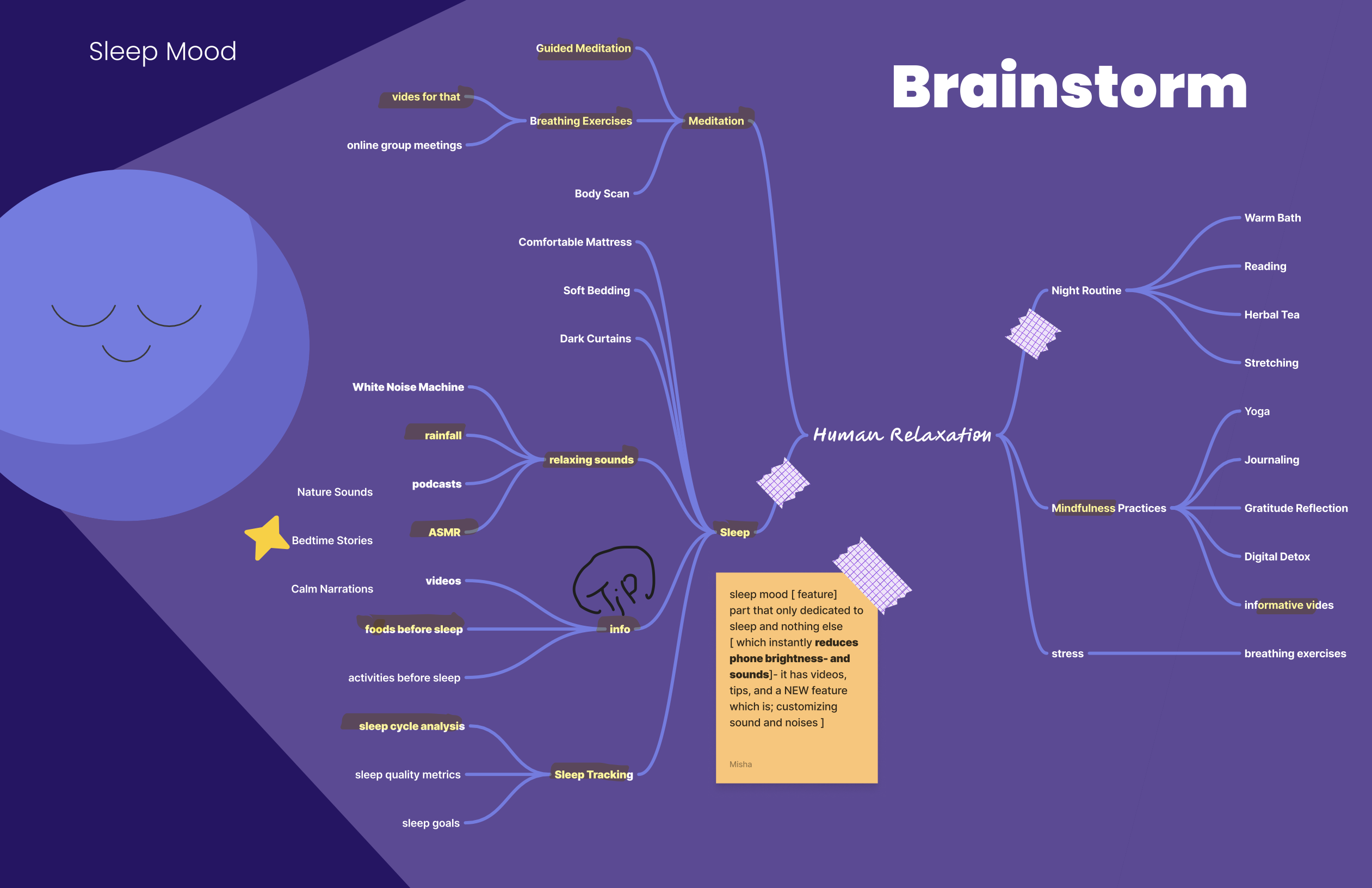
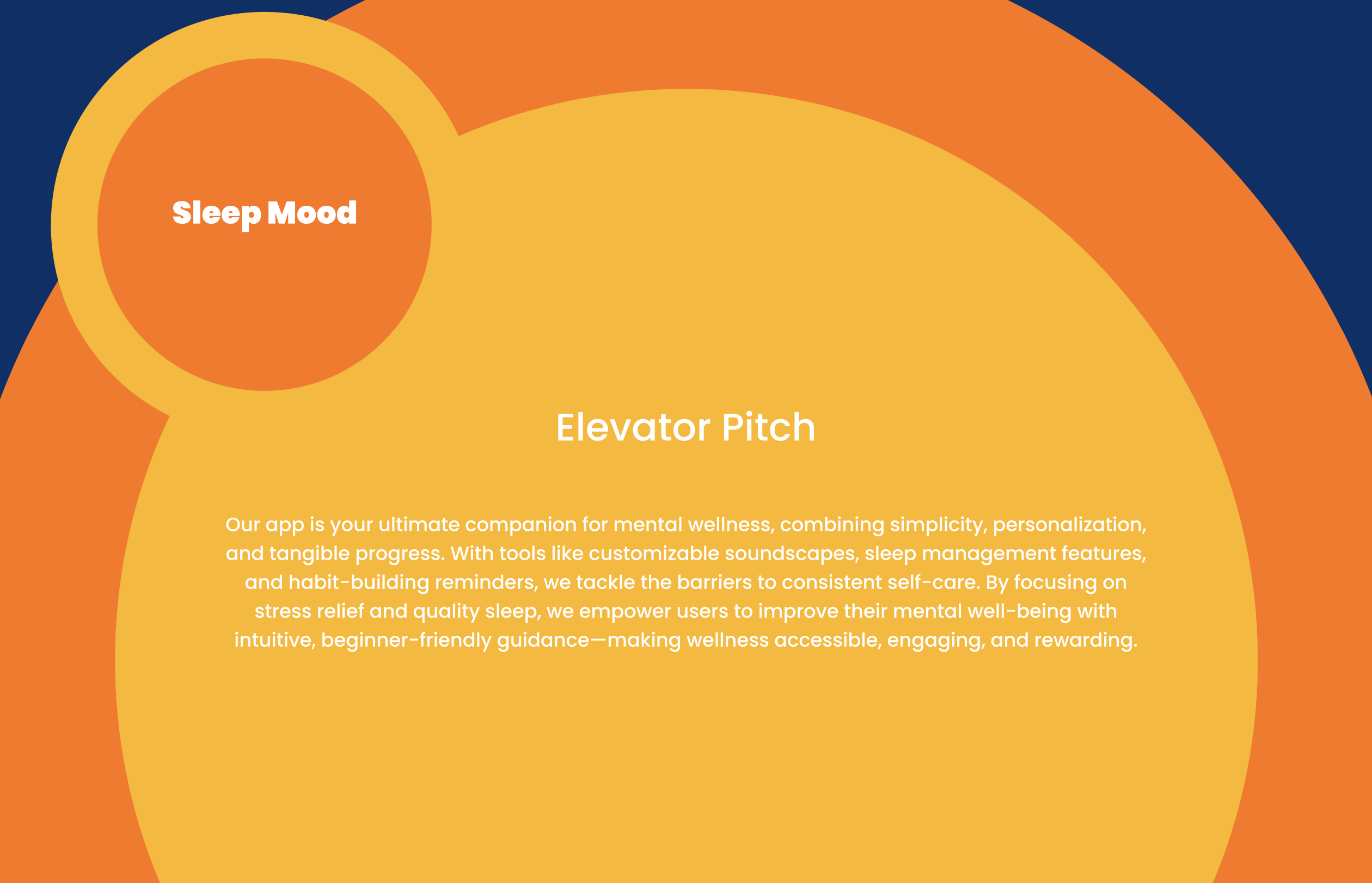
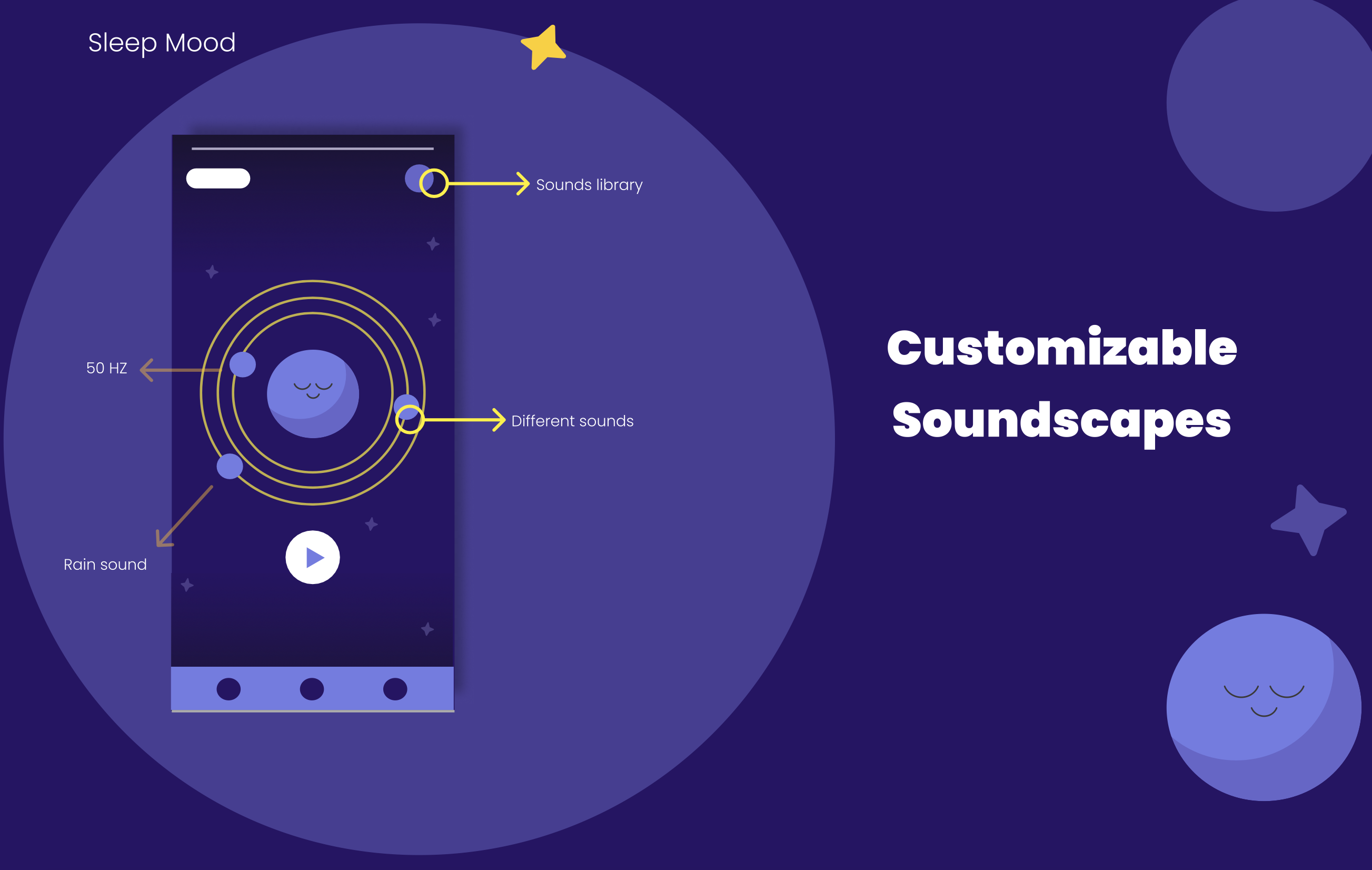
Design Process & Final Design
Impact & Results
Key Outcomes
- Identified opportunity for 30% increase in meaningful connections
- Revealed 5 critical pain points in current user journey
- Provided framework for feature prioritization
- Created user personas for professional networking segments
Reflection & Next Steps
Challenges
- Recruiting diverse professional participants across industries
- Balancing quantitative data with qualitative insights
- Managing large dataset analysis and synthesis
Key Learnings
- The importance of mixed-methods research for comprehensive insights
- How professional context significantly impacts user behavior
- The value of longitudinal studies for understanding behavior patterns
Next Steps
- Conduct follow-up study on implemented recommendations
- Expand research to international professional networking behaviors
- Develop industry-specific networking behavior studies