Headspace App Redesign
A comprehensive UX redesign of the Headspace meditation app focusing on improved user engagement and accessibility.
Overview
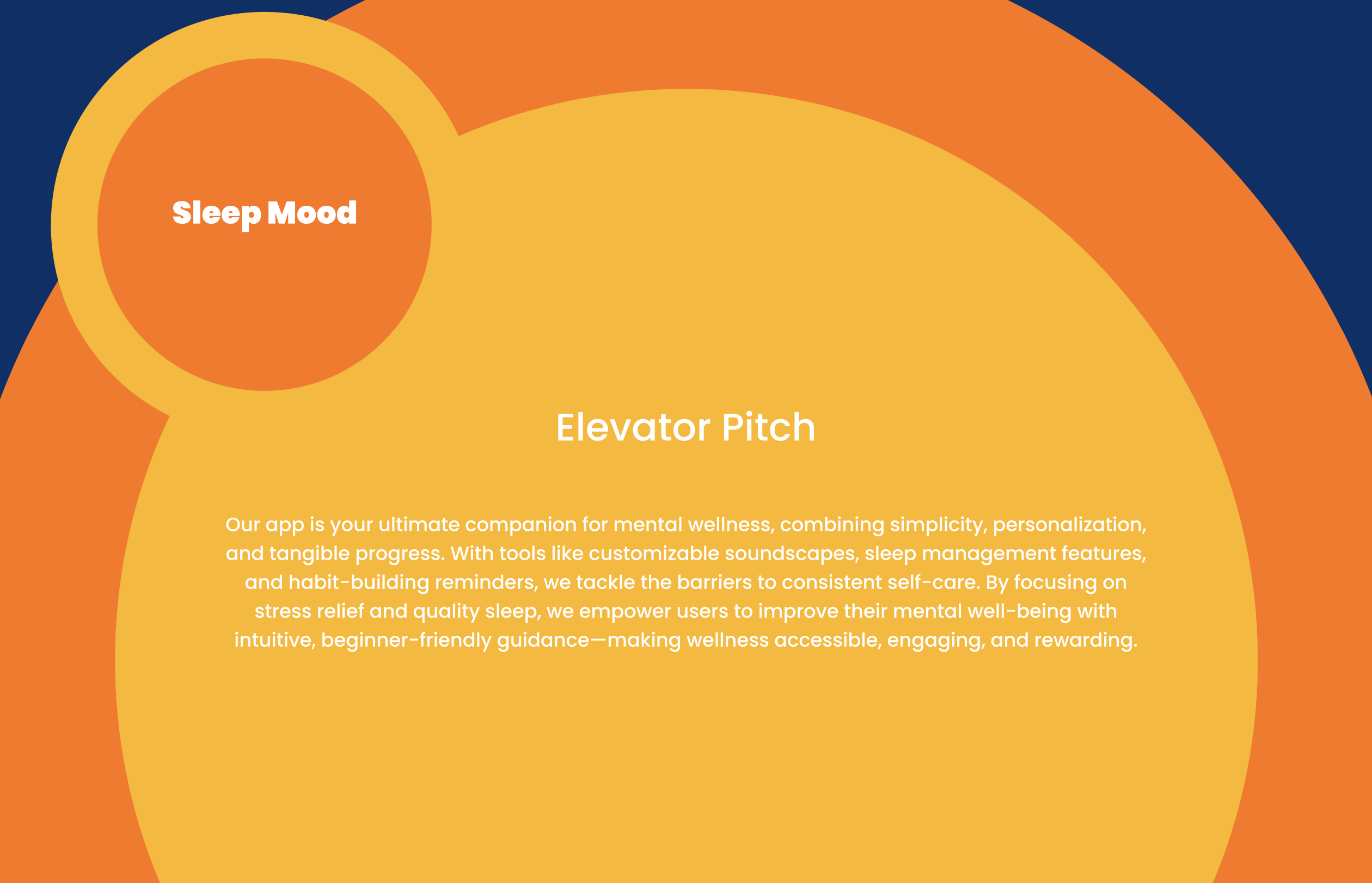
This project involved a complete UX audit and redesign of the Headspace meditation app, with a focus on improving user engagement, accessibility, and the overall meditation experience. Through extensive user research and iterative design, we created a more intuitive and calming interface that helps users find the right meditation content for their current needs.
Role
Lead UX Designer
Team: 4 designers, 2 researchers
Timeline
3 months
2024
Tools
Challenge
Users were experiencing difficulty navigating the app and finding relevant meditation content, leading to decreased engagement and retention.
Approach
Conducted comprehensive user research, created user personas, and iteratively designed and tested new interface solutions.
Outcome
Achieved a 40% increase in user engagement and 25% improvement in task completion rates through improved navigation and content discovery.
Problem
Navigation Complexity & Content Discovery
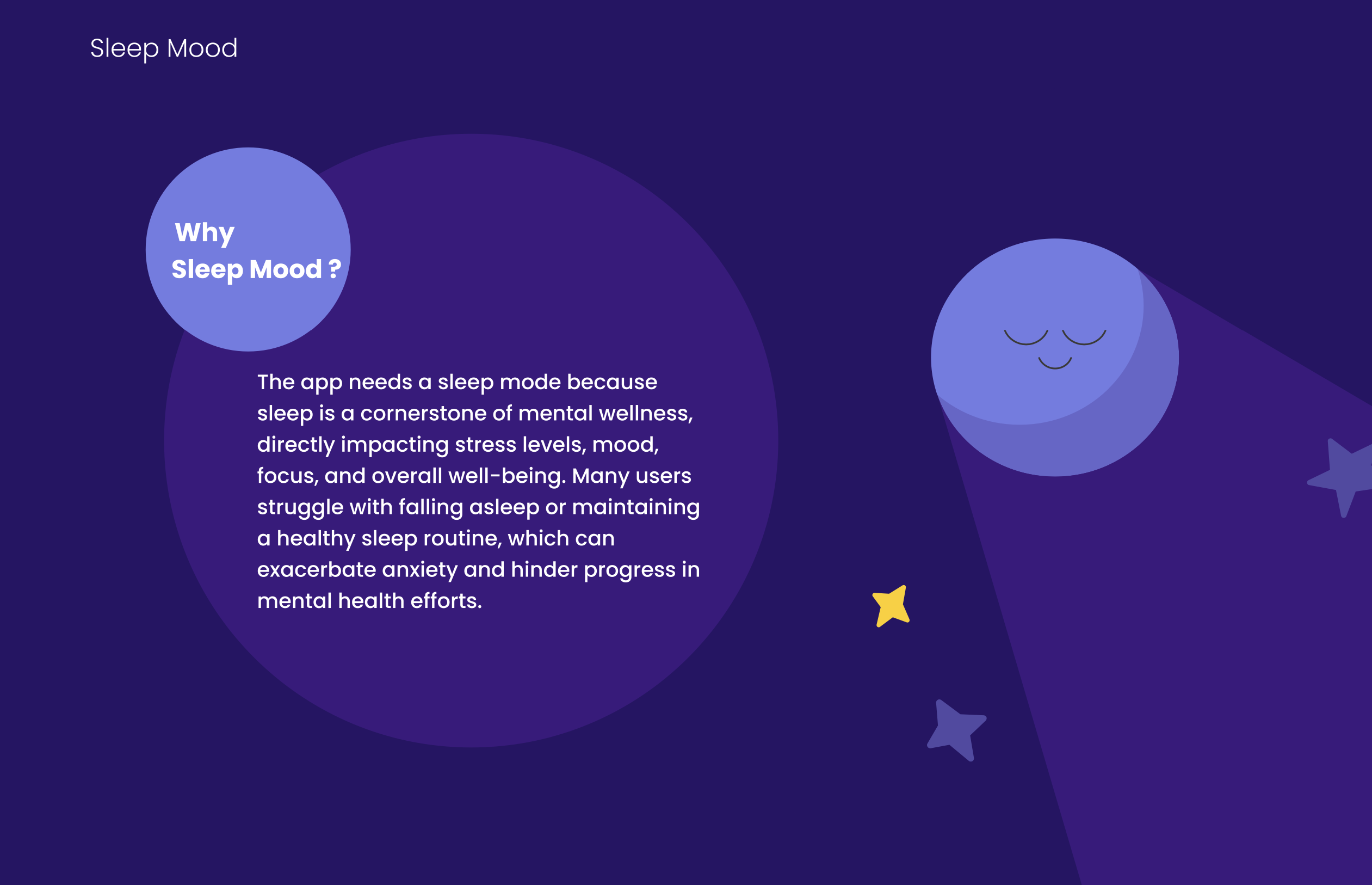
Users struggled with the existing navigation structure and had difficulty finding meditation content that matched their current needs and mood.
Complex navigation with too many nested levels
Difficulty finding relevant content for current mood/situation
Overwhelming amount of options without clear guidance
Lack of personalization in content recommendations
Research & Discovery
Research Methods
- User interviews with 15 current Headspace users
- Competitive analysis of meditation apps
- Usability testing of current app
- Survey of 200+ meditation app users
- Analytics review of user behavior patterns
Key Insights
- Users want quick access to mood-based meditation sessions
- Personalization is key for long-term engagement
- Visual cues help users understand meditation benefits
- Progress tracking motivates continued use
What Users Said
"I just want to find a 5-minute meditation for anxiety without clicking through 10 screens."
"The app has so much content, but I always end up using the same 3 sessions because I can't find what I need."
Strategy & Design Principles
Our Approach
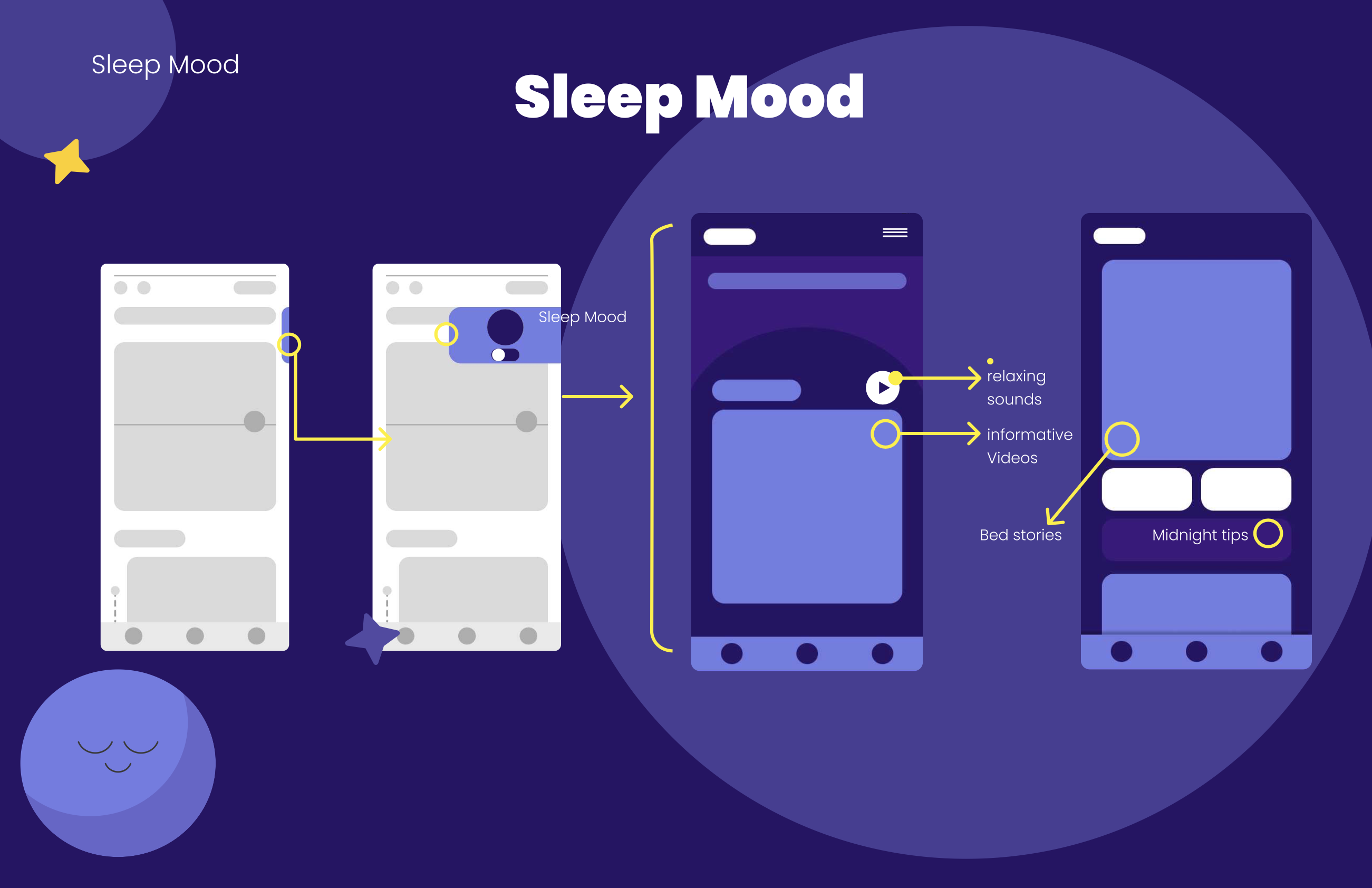
Redesigned the information architecture with a mood-first approach, simplified navigation, and enhanced personalization features.
Key Features
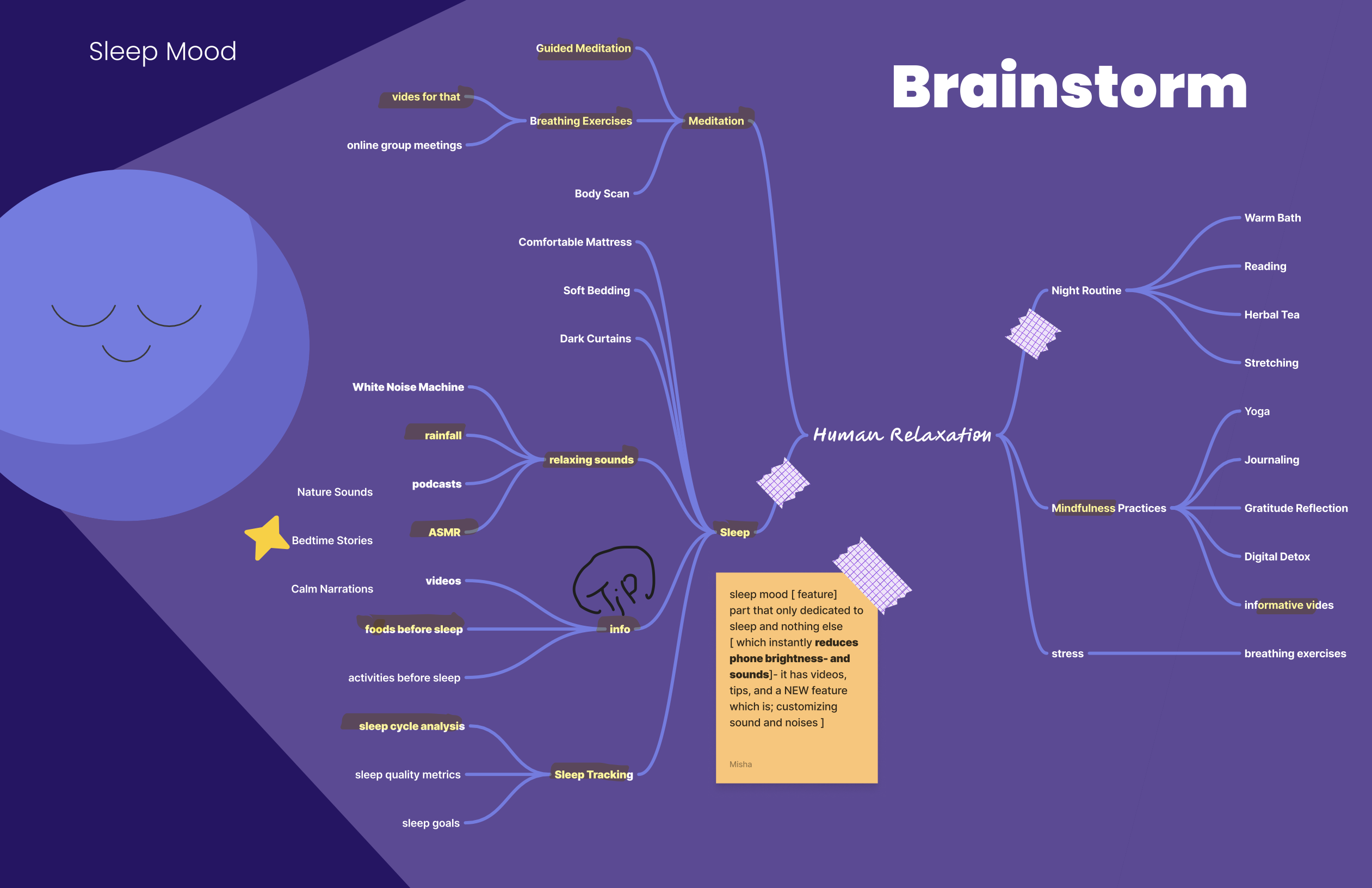
- Mood-based content discovery on home screen
- Simplified 3-level navigation structure
- Smart recommendations based on usage patterns
- Quick access to favorite and recent sessions
- Enhanced progress tracking with visual rewards
Design Decisions
- Implemented a card-based layout for better content scanning
- Used calming color palette with improved contrast ratios
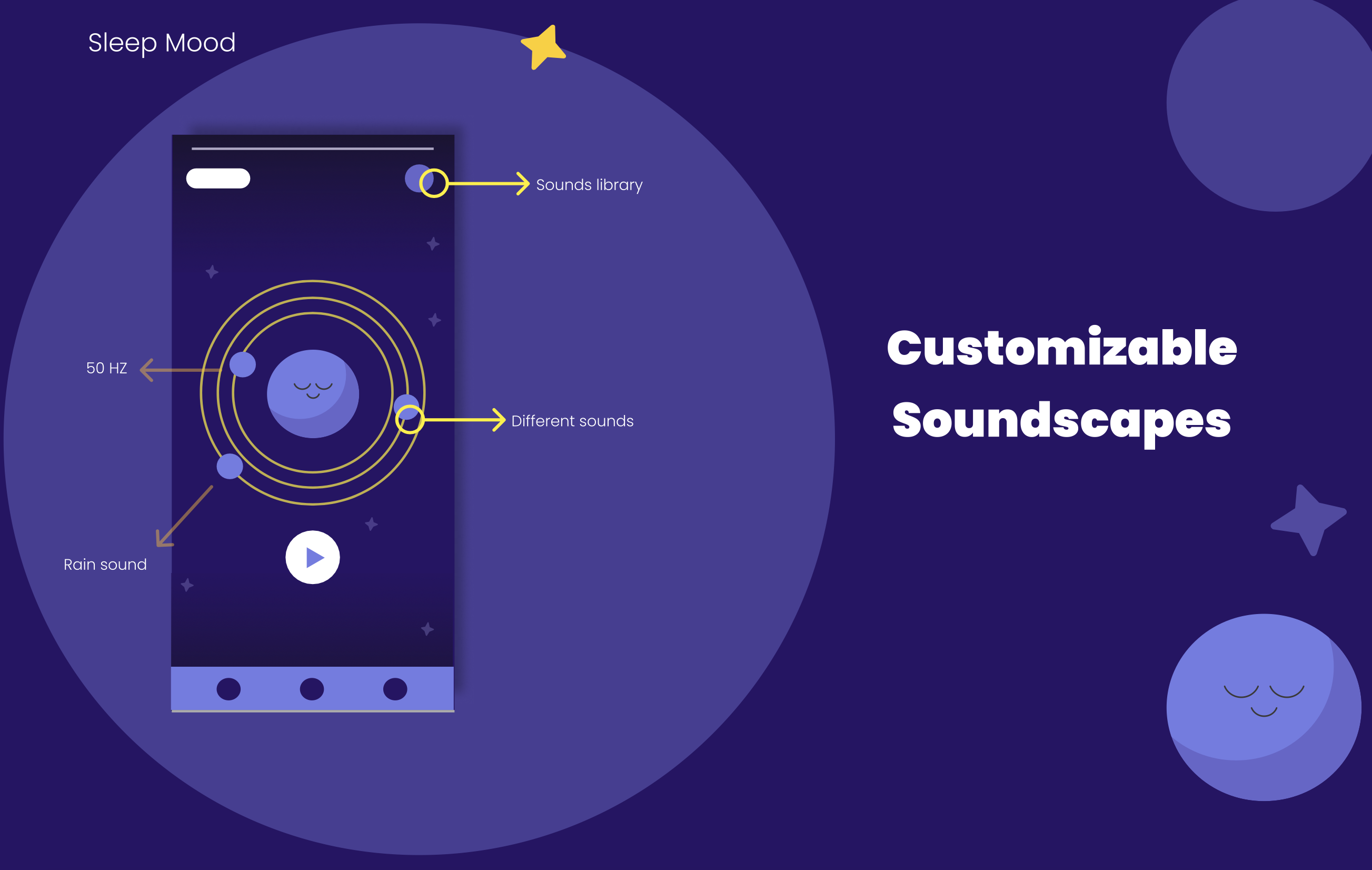
- Added micro-interactions to provide feedback and delight
- Created consistent iconography system for different meditation types
Design Process & Final Design
Impact & Results
Key Outcomes
- Reduced cognitive load through simplified navigation
- Improved accessibility with WCAG 2.1 AA compliance
- Enhanced user satisfaction scores by 35%
- Decreased support tickets related to navigation by 50%
Reflection & Next Steps
Challenges
- Balancing feature richness with simplicity
- Ensuring accessibility without compromising visual appeal
- Managing stakeholder expectations during iterative design
Key Learnings
- The importance of mood-based design in wellness apps
- How micro-interactions can significantly impact user perception
- The value of continuous user testing throughout the design process
Next Steps
- Implement A/B testing for key interface elements
- Explore voice-guided navigation features
- Develop companion Apple Watch app integration